
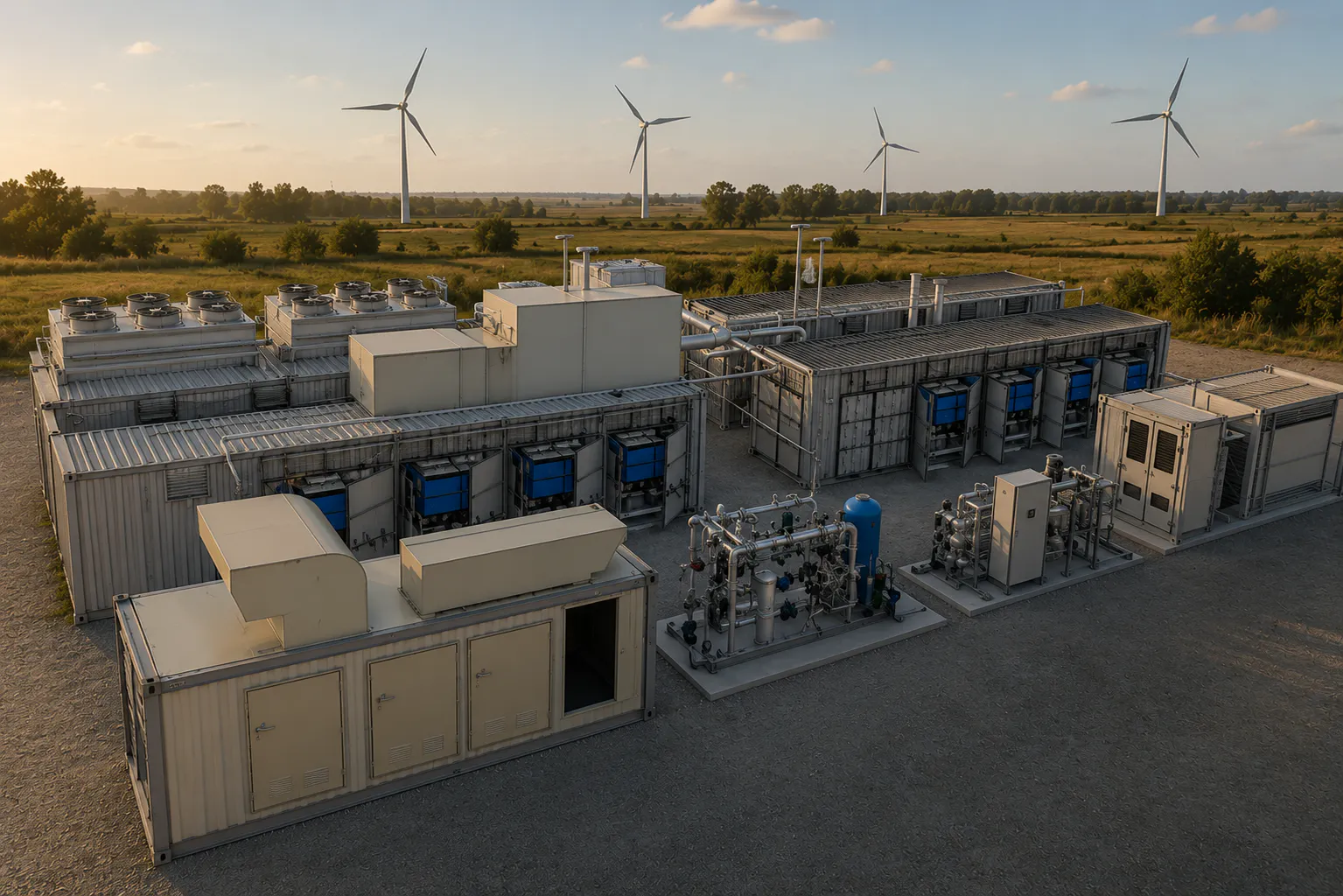
Technology Behind Dynelectro's SOEC Electrolyser System
- The industry's lowest degradation at 0.05% per 1000 hours
- The first SOEC system capable of dynamic operation from 0–100% load in seconds
- Able to reverse between producing hydrogen and generating electricity
- Up to 90% system efficiency through heat integration
- Engineered to overcome the traditional limitations of SOEC technology

Why conventional SOEC needs a breakthrough
SOEC has long been recognised as the most efficient electrolysis technology available.
However, conventional systems face several fundamental challenges that have slowed commercial adoption:
- Stack degradation over time
- Thermal stress during operation
- Limited flexibility under variable renewable power
- High stack replacement costs
These challenges reduce operational lifetime, increase maintenance costs and impact the long-term economics of hydrogen production.
The opportunity has never been the efficiency.
The opportunity has been making SOEC commercially reliable.
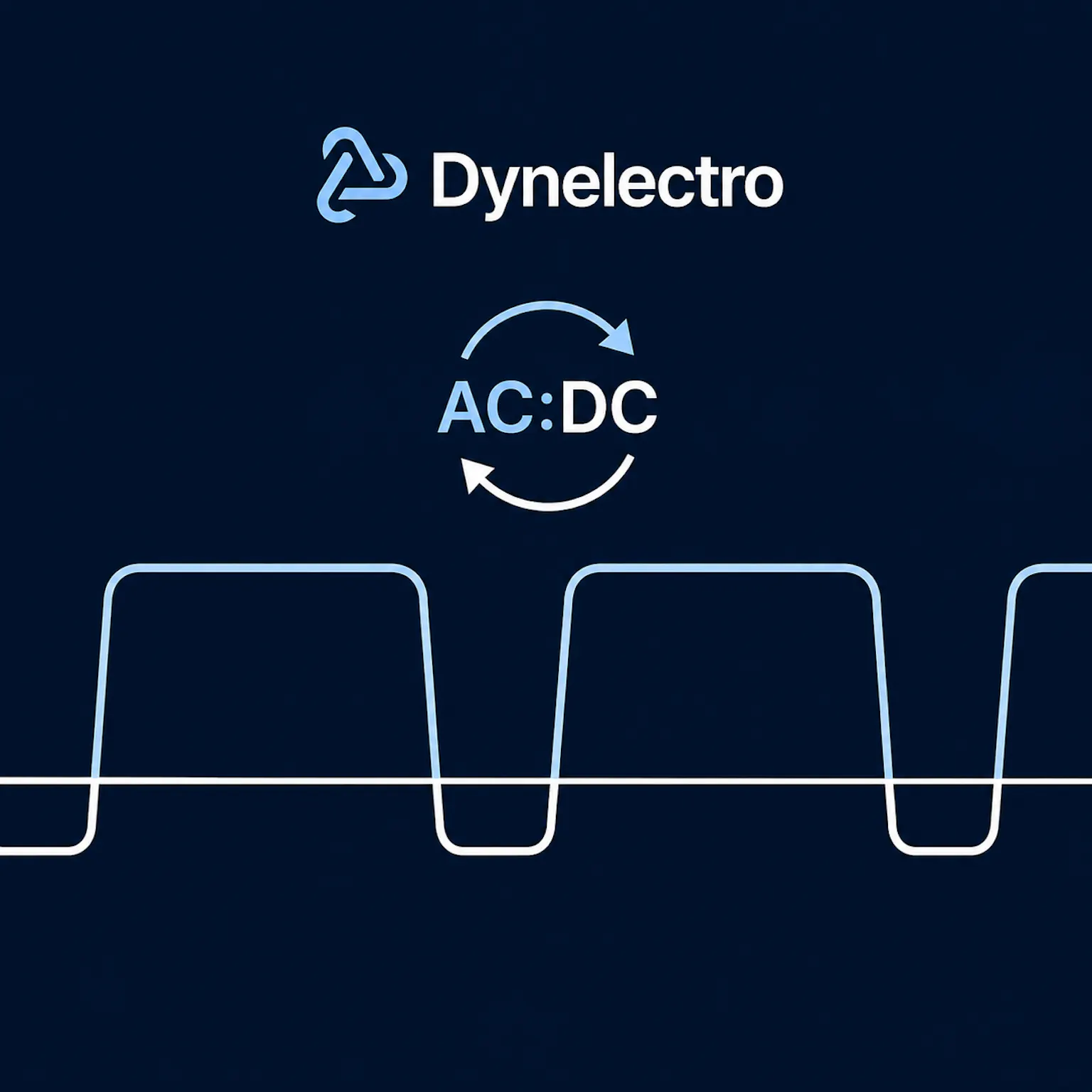
AC:DC – The breakthrough behind SOE+
AC:DC is Dynelectro’s proprietary operating technology developed specifically to overcome the fundamental limitations of conventional SOEC.
Rather than operating continuously in electrolysis mode, AC:DC rapidly alternates between electrolysis and carefully controlled fuel-cell pulses. This fundamentally changes the electrochemical conditions inside the stack, actively reducing degradation while controlling stack temperature throughout operation.
By reducing impurity-related degradation and eliminating temperature-gradient induced thermal stress, AC:DC enables SOEC to operate with a level of durability and flexibility previously considered unattainable.
It is not a different electrolysis technology.
It is a better way of operating SOEC.
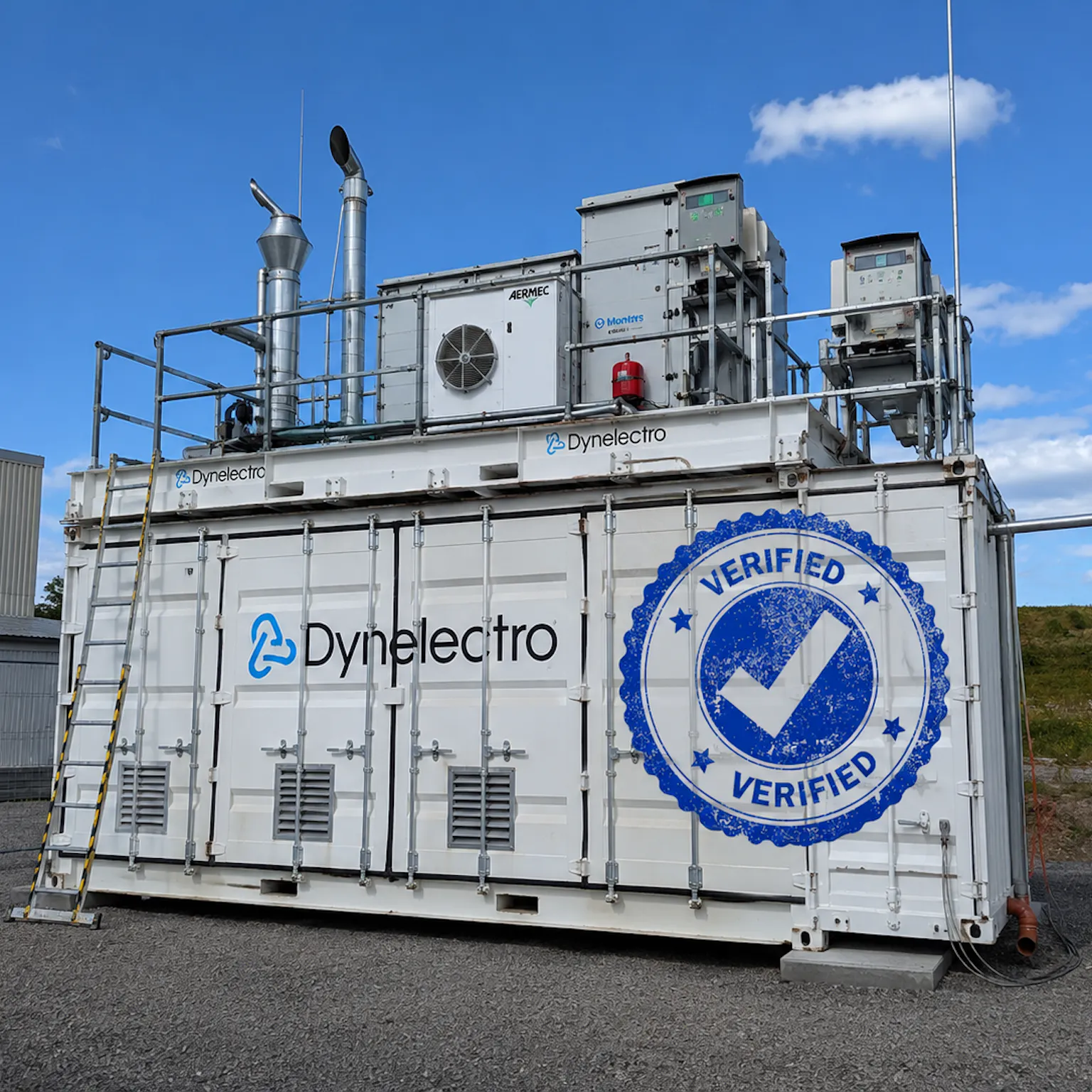
Innovative technology. Documented performance.
Innovative technology only creates value when it performs under real operating conditions.
Dynelectro’s proprietary SOE+ platform has been validated through 25,000 hours of continuous operation at ultra-low degradation rates.
Across deployed systems, AC:DC has accumulated more than 100,000 operating hours on stacks, making it one of the most mature and de-risked SOEC technologies available.
Independent studies and commercial projects involving DTU, Aarhus University, Shell GameChanger, KBR and SolydEra have confirmed the benefits of AC:DC operation, including lower degradation, improved thermal management and extended stack lifetime.
Industrial-scale hydrogen, engineered with precision
Level up the performance of your hydrogen production with Dynelectro’s industrial SOEC platform.
Solid Oxide Electrolysis offers the highest electrical efficiency of any commercially available electrolysis technology. Yet despite its enormous potential, widespread industrial deployment has been limited by stack degradation, thermal stress and operational complexity.
Our commercial SOEC platform, SOE+, combines proven solid oxide electrolysis with our proprietary AC:DC operating technology to drastically reduce the degradation and thermal stress that limit stack lifetime in conventional designs.
The result is a step change in commercial SOEC performance—delivering exceptional efficiency, ultra-low degradation and long-term operational reliability for industrial hydrogen production.
Dynelectro’s proprietary AC:DC architecture was developed specifically to overcome the limitations of conventional Solid Oxide Electrolysis
Unlike conventional systems, where the electrical power supply is treated as a separate subsystem, the AC:DC architecture has been engineered as an integrated part of the electrolyser itself. Every stage of the power conversion process—from grid connection to the electrolysis stack—is optimised to work together as a single coordinated system.
Electrical power from the grid is supplied as alternating current (AC). Before it can drive the electrochemical reaction inside the SOEC stacks, it must be converted into precisely controlled direct current (DC). Although this conversion may appear straightforward, the quality and stability of the DC power have a significant impact on the efficiency, durability and operational flexibility of the entire electrolyser.
The AC:DC architecture continuously monitors and regulates voltage, current and power delivered to every stack. Sophisticated control algorithms ensure that each electrolysis module operates within its optimal electrical window, maintaining highly stable conditions even during rapid load changes. Rather than simply converting electricity, the system actively manages how electrical energy is distributed throughout the electrolyser to maximise overall system performance.
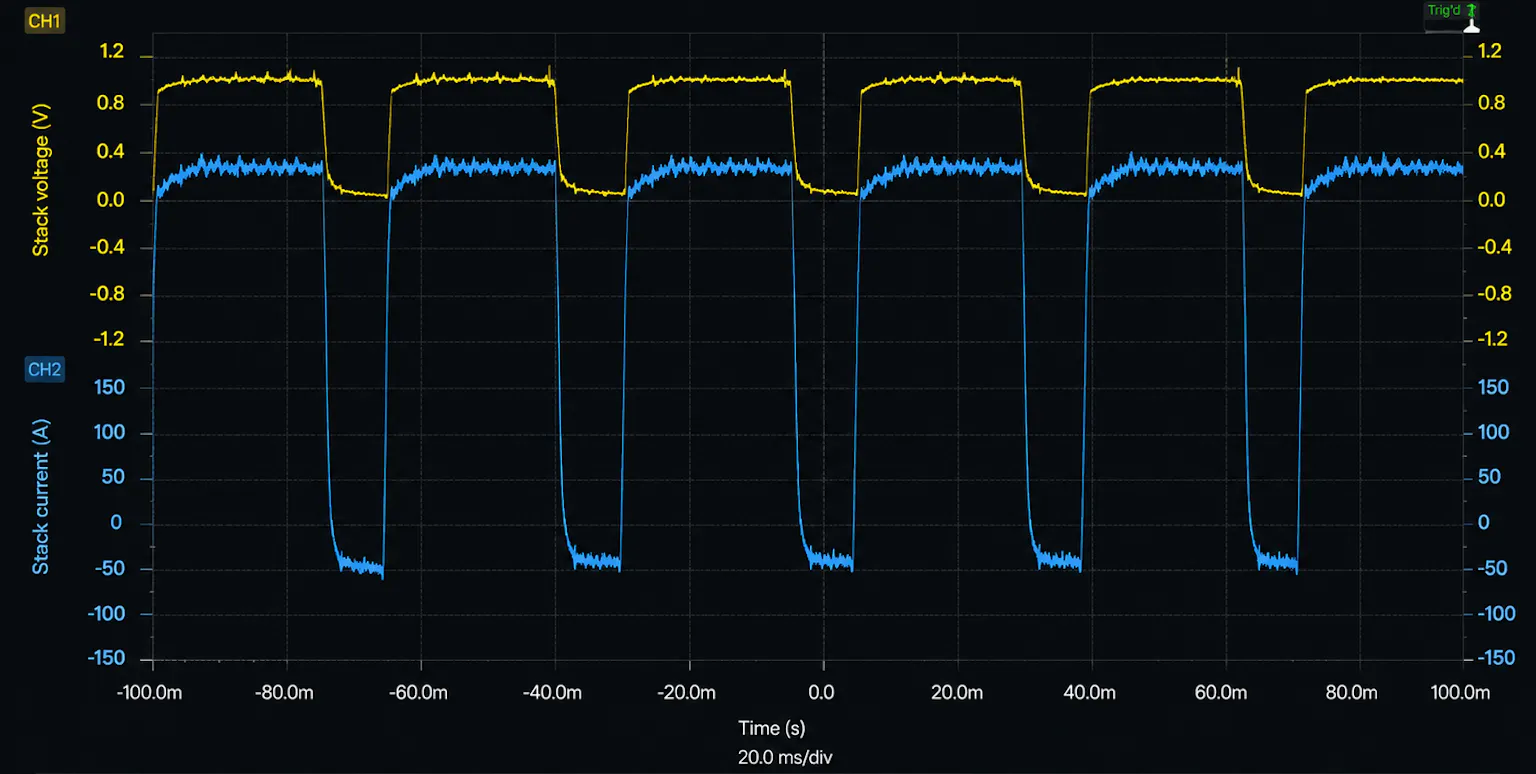
This precise control enables the SOEC stacks to respond rapidly to fluctuations in renewable electricity while avoiding the electrical and thermal stresses that have traditionally limited SOEC operation. As a result, Dynelectro’s systems are capable of true dynamic operation from 0–100% load within seconds, allowing hydrogen production to closely follow intermittent renewable generation without compromising stack health.
The benefits extend beyond flexibility. By maintaining optimal operating conditions throughout the system, the AC:DC architecture contributes directly to Dynelectro’s industry-leading stack degradation rate of just 0.05% per 1,000 operating hours, while simultaneously enabling system efficiencies of up to 90% through effective integration of electrical and thermal energy.
Because the power electronics, control software and SOEC technology have been developed as a unified platform rather than as independent components, the complete system operates more efficiently, more reliably and with greater operational flexibility than traditional SOEC implementations. This integrated design philosophy forms the technological foundation of every Dynelectro electrolyser system, from pilot-scale installations to multi-megawatt industrial plants.
Click the link below to read more about the development of AC:DC and the third-party verifications from SolydEra, KBR, DTU among others.
Benchmark between Electrolysis technologies
Optimised CAPEX and OPEX for long-term competitiveness
SOE+ is engineered to maximise long-term value by reducing both capital investment and operating expenditure.
Key commercial benefits include:
- Up to 40% lower OPEX than alkaline and PEM systems
- Up to 30% lower installed capacity requirements
- Lower total cost of ownership through extended stack lifetime
- Up to 20% lower Levelized Cost of Hydrogen
Proven performance. Measurable value.
SOE+ systems are engineered and assembled in Europe using high-quality industrial components from renowned suppliers.
Their modular architecture simplifies installation while reducing the complexity of industrial heat integration.
Available from 250 kW pilot systems to +20 MW industrial installations, SOE+ provides a scalable platform for commercial hydrogen production.
Engineering Excellence Built Into Every System

At Dynelectro, innovation extends far beyond the electrochemical stack. Our strength lies in combining advanced solid oxide electrolysis with world-class engineering to create complete industrial systems that are efficient, reliable and ready for commercial deployment.
Every SOE+ installation is engineered as an integrated solution where process design, thermal management, power electronics, automation and mechanical engineering work together as a single optimised system. This holistic approach ensures that every component contributes to maximising efficiency, protecting the electrolysis stacks and delivering dependable long-term operation.
Our multidisciplinary engineering teams bring expertise across chemical engineering, electrical engineering, software development, mechanical design and industrial automation. By developing these disciplines in parallel rather than independently, we optimise the interaction between every subsystem—from steam generation and heat integration to dynamic power control and hydrogen conditioning.
The result is more than an electrolyser. It is a complete hydrogen production platform designed for industrial performance.
Engineering also enables flexibility. Every project is developed around the customer’s operating conditions, available heat sources, electrical infrastructure and hydrogen demand. Whether integrating into an existing industrial process or designing a greenfield Power-to-X facility, our engineers work to maximise efficiency while reducing installation complexity and lifecycle costs.
This system-level engineering philosophy has been validated through thousands of hours of operation and continuous collaboration with industrial partners, research institutions and leading technology providers. It allows Dynelectro to deliver solutions that are not only highly efficient today, but also scalable, maintainable and prepared for future technological developments.
Key Engineering Capabilities
- System Integration – Complete engineering of electrolysis systems, balance-of-plant and plant interfaces.
- Advanced Thermal Management – Optimised heat integration to maximise efficiency and protect stack lifetime.
- Power Electronics & Controls – Proprietary AC:DC operation delivering precise control, rapid dynamic response and ultra-low degradation.
- Industrial Automation – Intelligent control systems for safe, reliable and autonomous plant operation.
- Modular System Design – Standardised building blocks enabling scalable solutions from pilot plants to multi-megawatt installations.
- Process Optimisation – Tailored integration with customer processes to maximise hydrogen production and minimise energy consumption.
- Future-Ready Platform – Stack-agnostic architecture supporting continuous technology improvements and long-term investment protection.
Hydrogen Value Chain

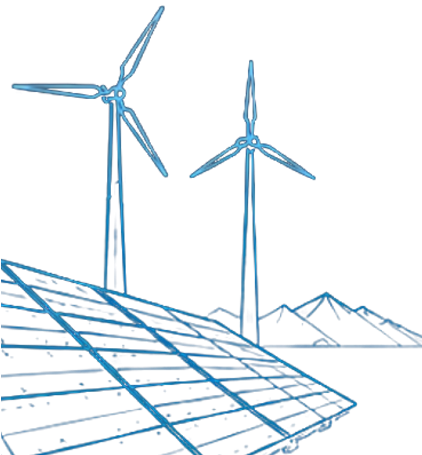
Renewable Power
Wind, solar or grid electricity as input

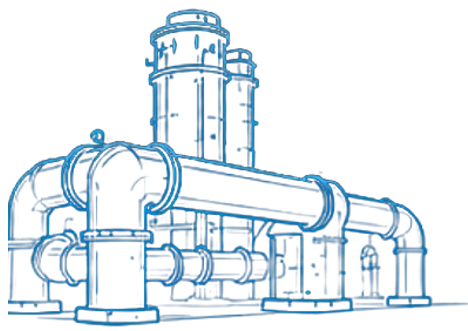
Steam input
120°C steam - high temperature steam required for SOEC operation.

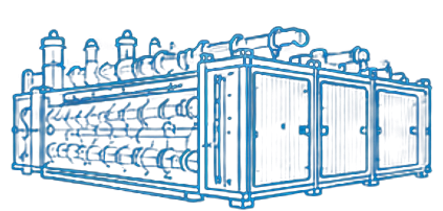
SOEC technology
Solid oxide electrolyser with proprietary AC:DC electronics, which enables >20% lower LCOH than any competing technologies
- 90% System Efficiency
- 7-10 years lifetime expectancy (0.05% per 1000 hours)
- 0-100% dynamic load following.
- Reversible fuel cell & electrolysis.
Hydrogen conditioning
Condensation, compression and drying of the H2-product gas
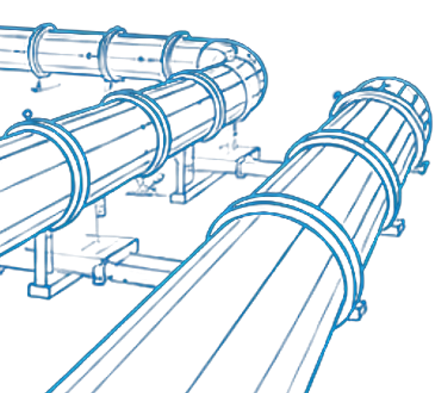

Industrial processes
E-fuels, ammonia, methanol, Power-to-X, Green-steel
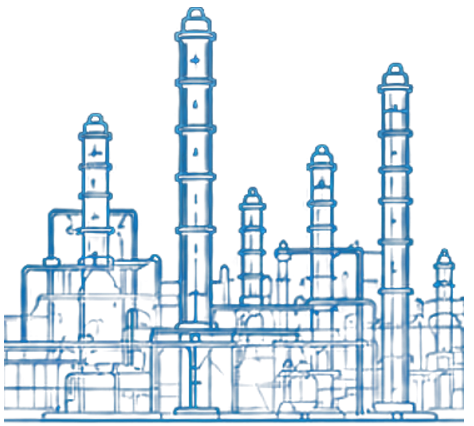
Decarbonising global industries
SOE+ enables efficient, large-scale hydrogen production across a wide range of industrial applications.
- Synthetic fuels (eSAF & e-fuels)
- Ammonia production
- Chemical manufacturing
- Oil and biomass upgrading
- Metals production
- Industrial heating
- Distributed power generation
- Transportation
Designed for a net-zero future
DynElectro’s technology supports industrial partners in achieving their climate targets by providing scalable, low-carbon hydrogen production.
Whether you’re planning a pilot project or a multi-megawatt hydrogen facility, explore our SOE+ systems to find the right solution for your application.
The selection of Dynelectro is the result of a rigorous two-year technical and commercial evaluation process across all major vendors focused on efficiency, reliability, and long-term scalability. Electrolyzer performance coupled with low-cost clean energy are the primary drivers of synthetic fuel economics. Partnering with a technology provider that prioritizes energy efficiency and industrial robustness is critical as we move from demonstration toward multi-megawatt commercial deployment.


See our first commercial unit in action
Continuous Research & Development
Commercial deployment is only the beginning. At Dynelectro, research and development remain at the heart of our technology roadmap. Working alongside leading universities, industrial partners and technology suppliers, we continuously advance every layer of the SOE+ platform—from next-generation cell and stack technologies to power electronics, automation, thermal integration and complete system architecture.
Our research spans electrochemical performance, stack integration, dynamic control strategies, industrial automation and future system architectures, ensuring that every new development contributes to higher efficiency, longer stack lifetime and lower hydrogen production costs. This continuous innovation enables Dynelectro to remain stack-agnostic while rapidly integrating the latest advances into future commercial systems.
Below is a selection of research and development projects that continue to shape the next generation of Dynelectro’s SOEC technology.
Below is a selection of research and development projects that continue to shape the next generation of Dynelectro's SOEC technology.
General topics about SOEC
Read about the aspects of Solid Oxide Electrolysis